Hyperbaric Oxygen Therapy (HBOT) Options for Stroke Recovery
Stroke prevalence has spurred scientists to develop more effective stroke recovery therapies, including hyperbaric oxygen therapy (HBOT).
Recovery from an ischemic or TIA (“mini stroke”) may not be guaranteed, but this much is clear: people who receive timely and effective treatment recover with fewer post-stroke effects.
Unfortunately, timely treatment is not always attainable:
- Stroke is a “leading cause of death in the United States and is a major cause of serious disability for adults.”
- “More than half of stroke survivors age 65 and older” experience reduced mobility, relegating some individuals to a wheelchair for the remainder of their lives. Many struggle with cognitive function, speech difficulties, and visual impairments as well.
Thankfully, advanced rehabilitation programmes exist, including hyperbaric oxygen therapy (HBOT) options and other therapies. The experts at The Brain & Performance Centre discuss these key details below.
What Happens to the Brain during a Stroke?
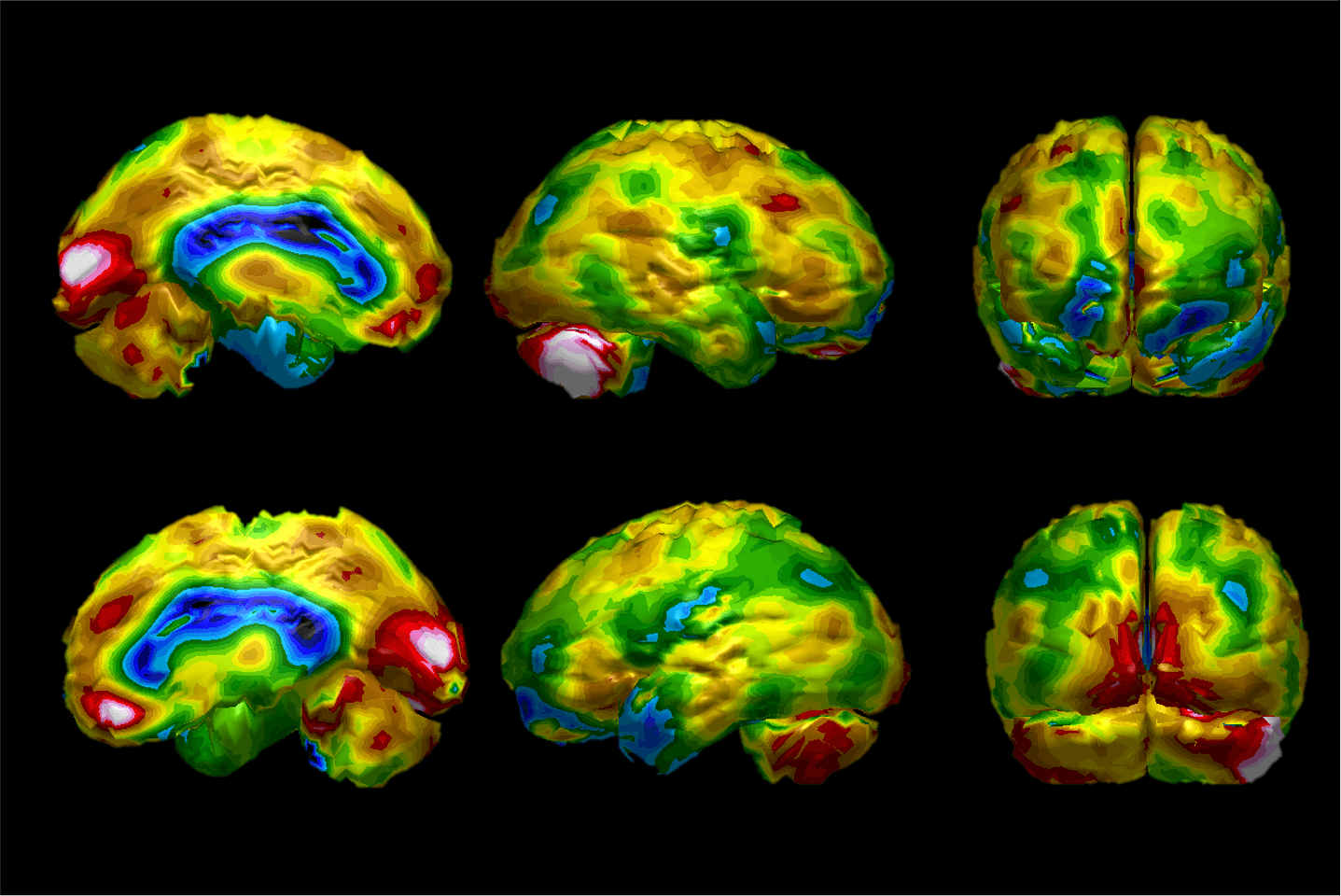
When a stroke strikes, it immediately starts killing brain cells due to loss of blood flow. As many as two million brain cells die each minute the stroke goes untreated. Other cells become injured but don’t necessarily die off. Neurologists often describe them as being “stunned”.
Still, a significant part of the brain’s real estate comes under attack. The combined damage from injured and necrotic (dead) brain cells results in both immediate and long-term symptoms such as:
- Limb weakness or paralysis
- Slurred speech
- Vision complications
- Balance issues.
Nothing can be done about the dead brain cells, which is why timely intervention is so critical. However, a growing body of research indicates that HBOT can help repair the injured cells, even years after the initial stroke
What Is Hyperbaric Oxygen Therapy (HBOT)?
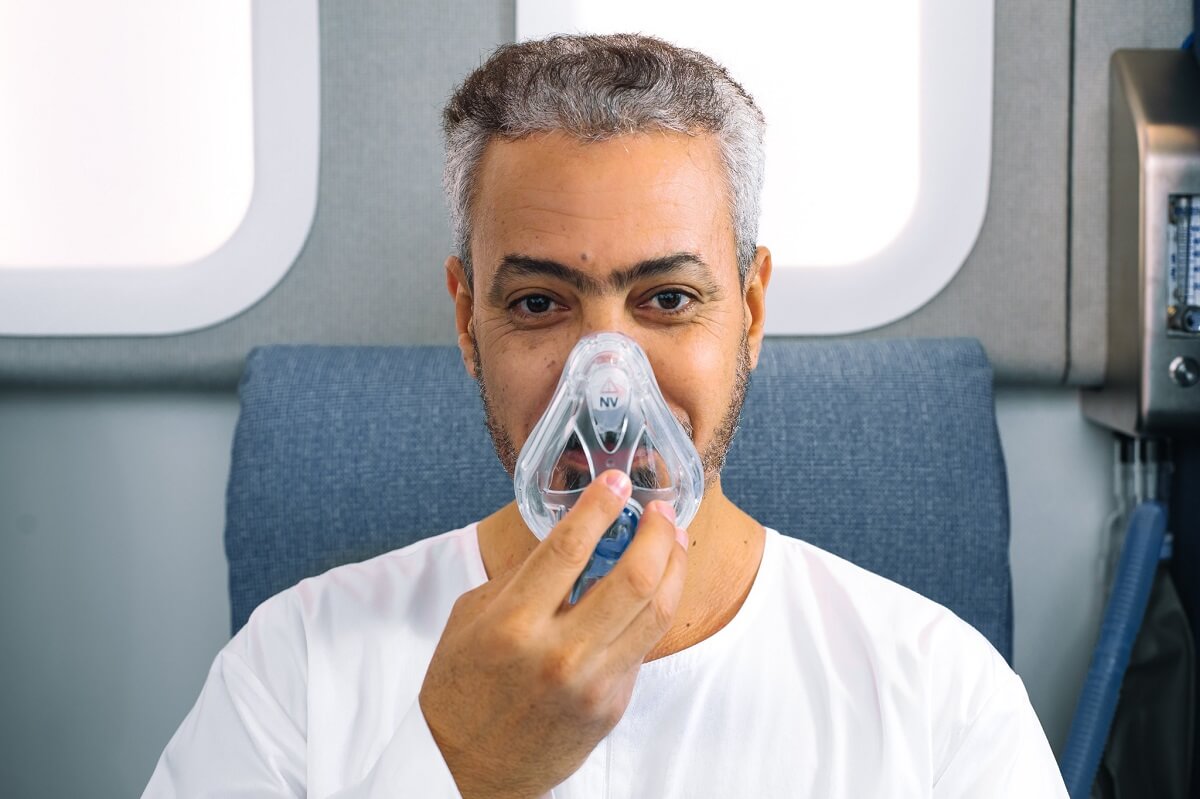
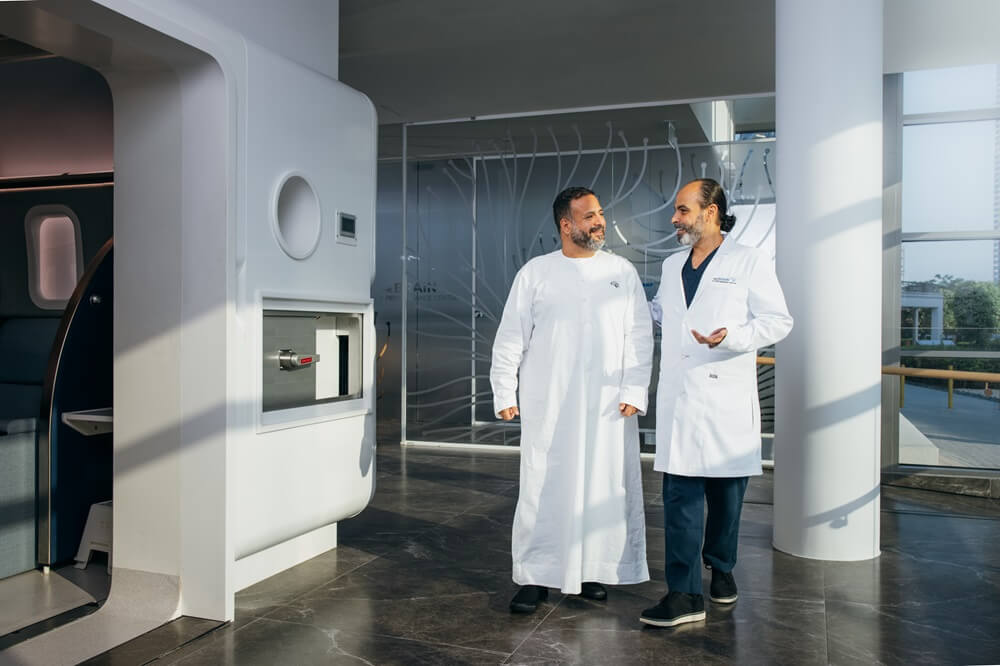
Hyperbaric oxygen therapy (HBOT) is a type of therapy that uses pressurized chambers to allow individuals to breathe in 100% pure oxygen.
In the hyperbaric suites at The Brain & Performance Centre, the air is pressurized in the HBOT chamber to above atmospheric levels. This environment increases oxygen levels in the body to about 17 times higher than normal, allowing oxygen to be delivered even to damaged cells, such as those injured by stroke.
How Does HBOT Help with the Post-Stroke Recovery Process?
The unique HBOT protocol at The Brain & Performance Centre uses a scientifically validated process in which oxygen levels are fluctuated throughout the HBOT session. When the mask is on, oxygen levels are very high. But, when the mask is off, the body is deceived into sensing a state of “low” oxygen because of the rapid decline.
This fluctuation triggers the body into repair and regeneration mode, which in turn:
- Stimulates stem cell proliferation
- Improves injured cell health
- Builds new blood vessels, optimizing blood flow
- Grows new connections in the brain
In the past, growing those new connections was inconceivable. Scientists previously believed that once neurons were destroyed, they could never rebound. Research has since disproved that notion.
What Benefits Can Stroke Survivors Achieve with HBOT?
Several studies have proven the benefits of using HBOT in post-stroke recovery. Repair mechanisms in the brain, prompted by HBOT, result in:
- Regained speech and reading capabilities
- Restored motor function, even with paresis
- Return to independence in performing daily activities
The Brain & Performance Centre
When combined with the exercise, personalized nutrition, and extensive assessments that are part of the The Brain & Performance Centre, the outcomes become even more impressive:
- Some Brain & Performance Centre clients progress from using wheelchairs to walking on their own or with an assistive device.
- Clients who lost their ability to speak make immense recovery strides.
- Many report that the biggest benefit is simply not being a “burden” on their loved ones.
Our post-stroke programme remains focused on research and incorporates a holistic and personalized approach that can include the following:
- In-depth review of health history
- Comprehensive physical exam
- Highly advanced brain imaging scans
- Neurological and neurocognitive tests
- Body composition analysis
- A detailed report of our assessment findings
- Cognitive training
- Physical training
- Dietary coaching
- Hyperbaric oxygen therapy (HBOT)
- A post-treatment report of your improvements and recommendations for future progress
Learn more about the programme>>
Even if a person has no visible effects after having a stroke, the brain has still been damaged—and they are at a higher risk for a subsequent stroke. HBOT, through The Brain & Performance Centre, can help mitigate that risk by improving the flow of blood to brain tissue and potentially prevent future strokes from occurring.
How Soon after a Stroke Can Hyperbaric Oxygen Therapy Be Administered?
The Brain & Performance Centre recommends a 3-6 month wait after a stroke before beginning the The Brain & Performance Centre protocols. This allows for the brain’s natural healing progression to take hold.
The sooner stroke survivors act after the post-acute stage, the better. The research our scientists have done indicates a strong cohort from the one-month point to four years post-stroke.
That said, there’s really no limit on how long after a stroke individuals can participate in the programme. We’ve seen success in clients who were as many as 10 years into their stroke recovery.
How Long Does It Take to See Results?
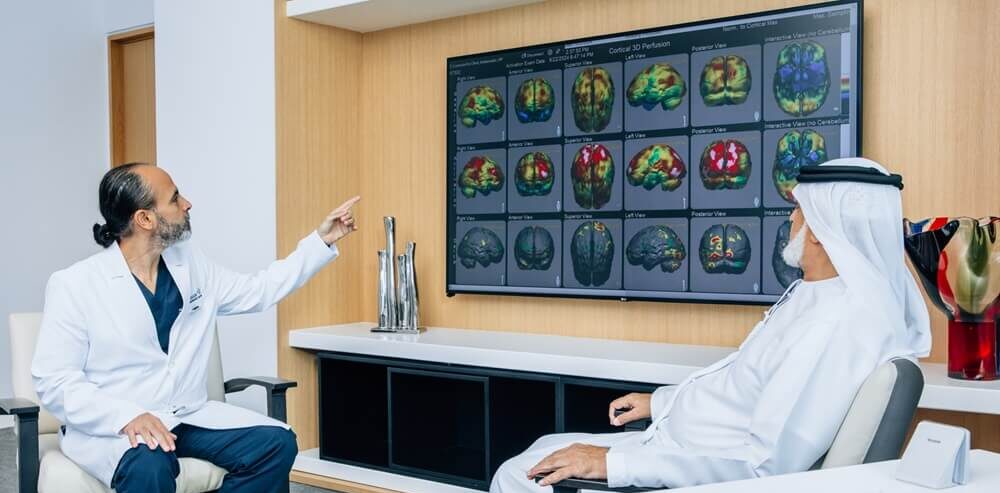
Most people see improvement from The Brain & Performance Centre within the 8-12 weeks of therapy and medically verifiable results by the end of their treatment.
But keep in mind, no one-size-fits-all approach exists. You’ll receive your own unique therapy plan, so outcomes and timelines vary. Our ability to quantify your health plan is ultimately what delivers results.
For reference, here is a general overview of what our programme looks like:
- Step 1: Assessment—A comprehensive set of neurocognitive, physical, and genomic assessments.
- Step 2: Treatment—Based on the assessment, we develop a customized routine that can include hyperbaric oxygen sessions with other types of personalized training/therapies. These may take place over 12 weeks.
- Step 3: Analysis—Our team uses advanced analytics to assess your programme’s efficacy, and make the necessary adjustments.
- Step 4: Follow up—The Brain & Performance Centre team will offer ongoing monitoring and engagement post-treatment to help maintain your results.
The Bottom Line
Stroke survivors no longer need to feel like life is over due to debilitating cognitive and physical impairments. The Brain & Performance Centre is rooted in extensive scientific research and has been instrumental in helping stroke survivors thrive well into their golden years.
Contact us to learn more about The Brain & Performance Centre and how it can benefit you or a loved one.
Brain Health
How to Increase Your Blood Oxygen Levels: 21 Actionable Tips
by
The Brain & Performance Centre
,
Physician

Brain Health
Defying Limitations: Hyperbaric Oxygen Therapy’s Impact on Reversing the Aging Process
 by
Dr. Semer Wang
,
Physician
by
Dr. Semer Wang
,
Physician
Optimise your brain health with the Brain & Performance Centre.