
Brain Fog Causes, Symptoms, and Treatments
Brain Fog Causes, Symptoms, and Treatments
“I feel I’m just getting by on autopilot. I feel delayed with my actions and reactions to questions and situations.”
“It’s almost identical to what I go through when I’m awakened from a dream–just total bewilderment and almost complete inability to process anything that’s going on.”
“Sometimes I am very far off. I’ll pause and get confused in the middle of doing things. I’m drowsy all the time and just don’t know what’s going on.”
“I feel heavy on the front of my head, unrefreshed, similar to a hangover or jet lag.”
“I feel like Dory in Finding Nemo.”
If any of these sound familiar, then you know what “brain fog” feels like. Brain fog is a symptom—not a diagnosis or disease. It leaves a person temporarily unable to concentrate or think clearly.
Not all brain fog is created equally: anything from stress to dehydration to a urinary tract infection (UTI) can cause mild, temporary brain fog. COVID-19 itself may be increasing rates of a particular kind of brain fog seen in “long-haul” COVID cases.
Regardless of the cause, the forecast for the brain remains the same: foggy, forgetful, and fuzzy around the edges.
Fortunately, new treatments, such as the innovative hyperbaric oxygen therapy (HBOT) medical protocol at The Brain & Performance Centre, a DP World Company, may offer relief from brain fog. Understanding brain fog causes, symptoms, and tips to manage brain fog can help you take charge of this difficult cognitive condition.
What Is Brain Fog?

Brain fog describes a feeling of confusion and forgetfulness, as well as a lack of mental focus. The effects of brain fog can range from mildly annoying to completely debilitating.
The term “brain fog” can refer to isolated or minor cognitive effects that last hours or days. Still, it can also refer to significant, constant, and debilitating cognitive struggles.
What Causes Brain Fog?
Brain fog isn’t a specific medical diagnosis, but a side effect of an emotional or medical condition.
Your mental muddiness may be for more common reasons:
- Stress—Stress impacts the entire body—the brain included. When stress becomes chronic, it can negatively affect the brain, inhibiting it from functioning at an optimal level.
- Lack of sleep—Another obvious, but often overlooked, cause of brain fog is lack of sleep. Sleep deprivation interrupts the brain cells’ ability to communicate with one another, resulting in a lack of focus or clarity. More severe sleep issues, such as sleep apnea, can also cause brain fog and cognitive decline.
- Hormones—Menopause is known for wreaking havoc on the brain. The drop in estrogen levels can trigger memory and concentration issues. Hormonal changes are also known to exacerbate sleep deprivation, which may contribute to brain fog. Learn more about menopause and brain health.
- Diet—Some food allergies have been shown to contribute to brain fog. In addition, a vitamin B12 deficiency (which supports healthy brain function) can drive brain fog. Depression and fatigue are noted as common symptoms in research studies.
- Medications—Medications, especially psychiatric and antibiotics, can have side effects that impact brain performance. This is especially common in older adults whose metabolic process is slower, making them more sensitive to medications.
When Should You Be Worried about Brain Fog?

A sign that your brain fog may be cause for concern is when memory problems and other cognitive issues interfere with normal functioning. People with mild cognitive decline and/or early stages of dementia may find they have difficulty completing simple, everyday tasks like paying bills.
This infographic from the National Institute on Aging details some common differences between normal aging and signs of serious memory loss.
Brain Fog and COVID-19
Experiencing brain fog long after recovering from COVID-19 is common. As The Brain & Performance Centre physician Dr. Mohammed Elamir, MD, FACP, explains, there is a link between where the COVID-19 virus attacks the brain and how that impacted location affects long COVID symptoms.
If you’ve had COVID-19 and haven’t felt the same since, reach out to a trusted physician.
Your physician may ask about:
- Your current physical activity levels
- Medications or supplements you’re taking
- Possible nutritional deficiencies
- Possible infections and inflammatory diseases/conditions
- A timeline of symptoms
- How symptoms have changed over time
Your doctor may also request a blood test, CT scan, or advanced MRI.
What Can You Do to Fight Brain Fog?

Brain fog may be a sign that your body isn’t operating at peak performance, much like when you get sick with a cold or flu. The brain needs constant oxygen, the right supply of nutrients, and rest in order to function well.
When we fall short in one area of health, it’s easy to spiral out of control. Looking at the list of causes for brain fog, the cycle becomes clear: lack of sleep can lead to stress, which can lead to poor diet, and so on.
Often, the key to managing brain fog lies in good self-care. To ensure general health and wellness, try to:
- Manage stress—Many people find meditation helpful in dealing with stress.
- Eat a variety of healthy foods—Maintain a diet rich in vitamins and nutrients.
- Get enough sleep—What qualifies as a “good night’s rest” varies from person to person, so figure out what is right for you and stick to it.
- Maintain physical activity—Exercise has proven benefits for the brain. Start with 30 minutes per session, three days per week.
- Drink enough water every day—Some cases of brain fog are due to simple dehydration.
- Challenge the brain with games, puzzles, or novel experiences—Here’s a free brain training game to get you started.
- Try intermittent fasting. Many report that intermittent fasting helps clear brain fog and sharpen the mind.
Unique Medical Protocol at The Brain & Performance Centre
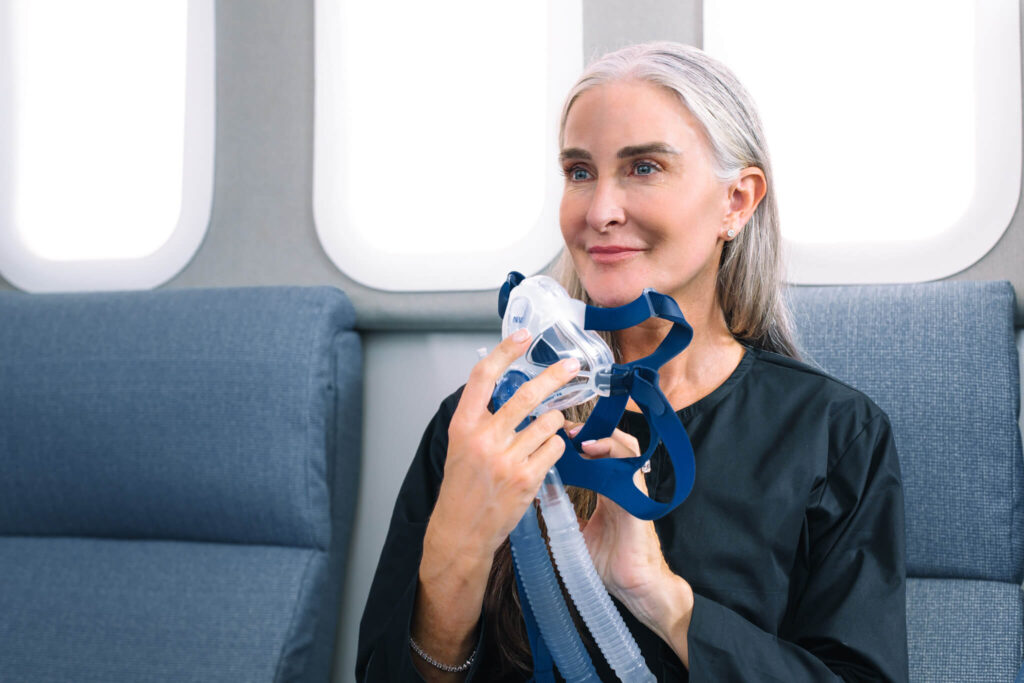
An effective cognitive treatment plan may involve hyperbaric oxygen therapy (HBOT) in combination with cognitive, nutritional, and physiological protocol. The Brain & Performance Centres’ science-based treatment protocol helps to enhance brain performance and reduce brain fog for many conditions like traumatic brain injuries, fibromyalgia, Lyme, and dementia.
Based on over a decade of research and development, the intensive treatment protocol is customized to your needs. Aviv Clinics in central Florida is the only centre in the United States to offer this programme.
Get Back to Optimal Cognitive Health with The Brain & Performance Centre
For more guidance on managing your self-care and staying healthy, contact The Brain & Performance Centre. Our diverse medical team will be happy to provide the personalized care you need to get back to optimal health.

Exercise and Brain Health: Tips to get the most from your workout
The science is pretty clear: exercising and maintaining good health are some of the best things you can do to keep the body at peak performance. But there are more than a few options out there when it comes to exercising. Exercise and brain health are closely linked. Are some forms of exercising better than others when it comes to the brain? Are there right–or wrong–ways to exercise when it comes to maximizing brain power? And how does exercise affect the aging brain?
The Brain & Performance Centre clients receiving the innovative hyperbaric oxygen therapy treatment optimize their brain health because their personalized treatment plan combines cognitive and physical training, plus receive nutritional coaching. As part of the programme, clients exercise on the cutting-edge h/p/cosmos medical treadmill at the clinic. The combination of physical and cognitive effort maximizes the benefits of the treatment protocol.
How cognitive abilities change with age
While most Americans fear losing their memory and cognitive abilities, far fewer actually do. As we get older, a slight level of cognitive decline is inevitable due to the normal aging process. It’s common to have issues with memory and slower thinking. But older adults are also increasingly at risk for mild cognitive impairment and dementia, the latter of which includes conditions like Alzheimer’s disease.
While some of the risk factors for these conditions are out of your control, such as age, genetics, and family history, your overall health plays a role, too. Staying healthy and active can protect the brain.
Lifestyle matters

Our brains haven’t changed much in the last 50,000 years or so, but our lifestyle certainly has. In the days of our nomadic, hunter-gatherer ancestors, life was a little more physically demanding–our bodies are designed to move and be active. Sitting, it seems, could be making us sick.
According to LifeSpanFitness, these days the average American sits for 11 hours a day, and an estimated 20% of all deaths over age 35 can be attributed to a sedentary lifestyle. Lack of exercise, poor diet, and use of alcohol, tobacco, or drugs are often a starting point. Falling into this sedentary lifestyle can quickly lead to a downward spiral.
The spiral of decline
If there are underlying conditions or you have risk factors for certain conditions, a sedentary lifestyle can exacerbate them or lead to chronic disease. Dealing with chronic illnesses is difficult even with access to good healthcare, but many do not or cannot get proper care, further exacerbating present conditions. Helplessness and hopelessness about the situation can then lead to anxiety and/or depression. You may feel like you can’t live the life you used to, and may find yourself self-isolating. Unfortunately, declining physical and mental health can set you up to be even less active, and the cycle continues.
Your brain isn’t the only organ affected by this vicious cycle; this kind of lifestyle can lead to problems with cardiovascular health as well. In fact, they seem to be intricately linked; in general, things that improve heart health improve brain health, too.
How are exercise and brain health linked?
Anytime that you exercise, you’re pumping more blood to your brain tissues, and with that comes a lot of oxygen and other nutrients, vital for the brain’s functioning. In response, the brain also cranks out some helpful molecules. Here are just a few benefits of exercise for the brain:
- Neurotransmitters (NTs) like serotonin, norepinephrine, and dopamine are released, improving mood,
motivation, focus, attention, and learning - Brain-derived neurotrophic factor (BDNF) helps your brain repair and rebuild, creating new neurons and
connections - Hormones work with BDNF and can boost your mood and mental clarity
- Endorphins and other molecules are released, helping relieve pain
- Increased blood flow delivers nutrients and carries away waste products
- The hippocampus increases in volume
Two areas of the brain are particularly important when it comes to cognitive decline. The prefrontal cortex (PFC) and the hippocampus. These areas are the most susceptible to cognitive degeneration or impairment.
The hippocampus, which is responsible for memory and learning, is affected by exercise in a few ways. Studies have shown that aerobic exercise can actually increase the volume of brain matter in the hippocampus, an area that will often decline in volume as we age and significantly with Alzheimer’s disease. It’s also where a lot of neurogenesis (creating new brain cells) is going on–at least if you’re exercising enough!
The other area that benefits directly from exercise is the prefrontal cortex–this is the CEO of the brain, responsible for most of our executive functions including decision making, attention, problem-solving, and goal setting. Studies have shown that older adults in particular can benefit from exercise due to increased executive functioning.
What’s the best kind of exercise?
Getting oxygen-rich blood pumping to the brain seems to be the best way to reap the benefits of exercise. Therefore, aerobic exercise (or cardio) is a good place to start. While all types of exercise have benefits, most of the studies favor those that elevate your heart rate and keep it there for a time.
The “prescription” for most older adults is to aim to exercise at a moderate-intensity for 30-45 minutes, 3-4 times per week. An easy way to keep track of your progress is with a fitness tracker. Find out if they are right for you.
Moderate intensity can be measured by keeping your heart going at the optimal rate, in this case, 70-80% of your maximum heart rate. To find out your max heart rate, subtract your age from 220. For example, a 70-year-old’s maximum heart rate would be 150. That means that to exercise at the right intensity, she should maintain a heart rate between 105-120.
You should warm up and cool down for aerobic exercise, but don’t count that as part of your total. The 30-45 minutes (as prescribed) should all be while your heart rate is at the target rate.
Tips for getting started
If you’re like many (if not most) adults, you might be starting more towards the sedentary end of the activity scale. The exercise prescription above is an ideal goal, and it’s used primarily because that’s what they did in the studies that showed the best outcomes for cognitive health. However, other studies showed that lower-intensity activities like walking (5 miles a week) and yoga could be beneficial, too.
Even if you’re aiming for that peak exercise intensity, there are lots of ways to make exercising for brain health more fun, easier, and less stressful.
1. Find movement that you love

Exercise is about movement, so find a way to move your body that you enjoy. If that’s running laps, great. If you love to dance, then dance! And there’s always sports and leisure–gardening, golfing, bowling, are all ways to move. Even window shopping or hula hooping can count as exercise. Need more ideas? Try any of these non-boring exercises!
Finding movement you enjoy can also help change your perspective and shift away from goals like weight loss that may feel like a chore. Focus on the way exercise makes you feel and the enjoyment you get from moving.
2. Start from where you are
If you’re already pretty active, or you’ve exercised a lot in the past, it’ll probably be easier for you to start. If you are not as active as you could be, that’s okay! It’s never too late to begin a new exercise practice.
If you really want to get the benefits of brain-boosting exercise, be aware of where you’re starting from and build from there. If you’re sedentary, jumping into an intense workout routine could be difficult physically and frustrating mentally. You’re more likely to stick with it if you’re realistic about your goals and abilities.
3. Focus on frequency
If you’ve struggled in the past to start an exercise practice, you’re not alone. Exercising consistently means forming a new habit, and that’s no easy feat. Starting any habit takes time, effort, and consistency for a little while. But the awesome benefits of habits are that once they’re formed, they’re automatic.
It might be tempting to jump in at full duration and/or intensity, but it’s also a good way to burn out. In the beginning, it helps to focus more on when and how often you exercise rather than how hard or how long. Even a few minutes a day is enough to tell the brain “this is what we do now.” Eventually, you won’t have to remind (or force) yourself to exercise anymore. Once the habit is formed, it’s much easier to increase the intensity and duration.
4. Add it up
Ultimately, it’s about moving more and being more active. There are many ways to sneak in more exercise and break up the sitting. For example, if you do sit a lot, you can try setting a timer to get up and walk around every hour. Or start counting your steps and aim to increase them every day.
Many of the classic ways to get more activity are still great, like taking the stairs, parking farther away, playing with kids, or housework and cleaning. Make it a goal to find a new way to squeeze in some activity every day.
5. Be patient
So how long does it take before exercising starts to pay off? While many of the benefits of exercise can be felt immediately afterward, such as improvements in mood and energy, lasting results will take longer. Plan on giving it at least six months to assess your brain’s progress.
When it comes to cognitive abilities, measuring and assessing can be a challenge. You may not notice a substantial increase in cognitive ability. As some cognitive decline will occur due to normal aging, it’s often about slowing it down rather than a full reversal. It’s also common for family and friends to notice a change before you do.
The bottom line on exercise and brain health
Find movement that you enjoy, and you’ll have a much easier time making time to exercise. No matter what shape you’re in or what activities you enjoy, you can find a way to optimize both your physical and your cognitive health.