
Child Brain Injury Treatment Dubai Families Can Trust
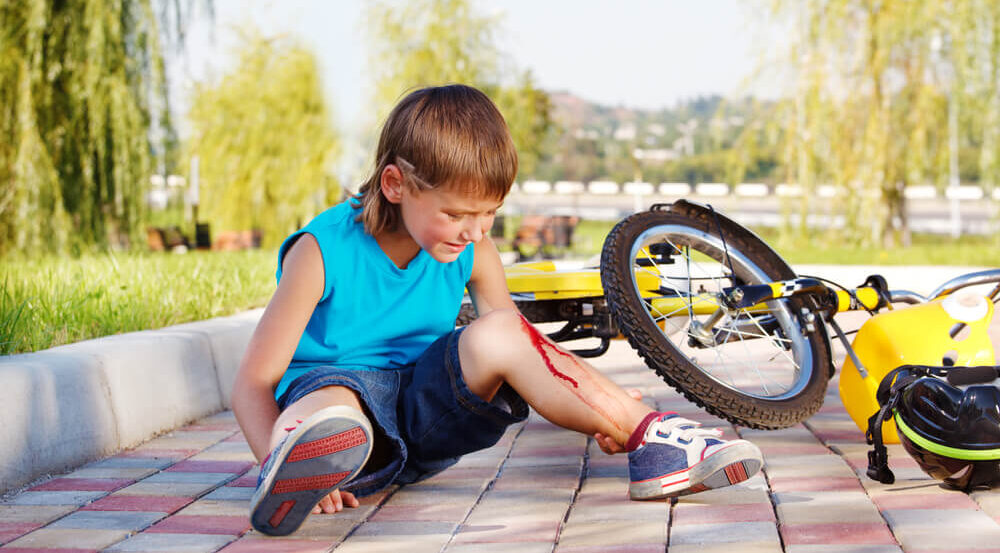
Some parents remember the heart-stopping moment: a phone call from the school nurse, a sudden ambulance ride or the sight of their child after a car accident.
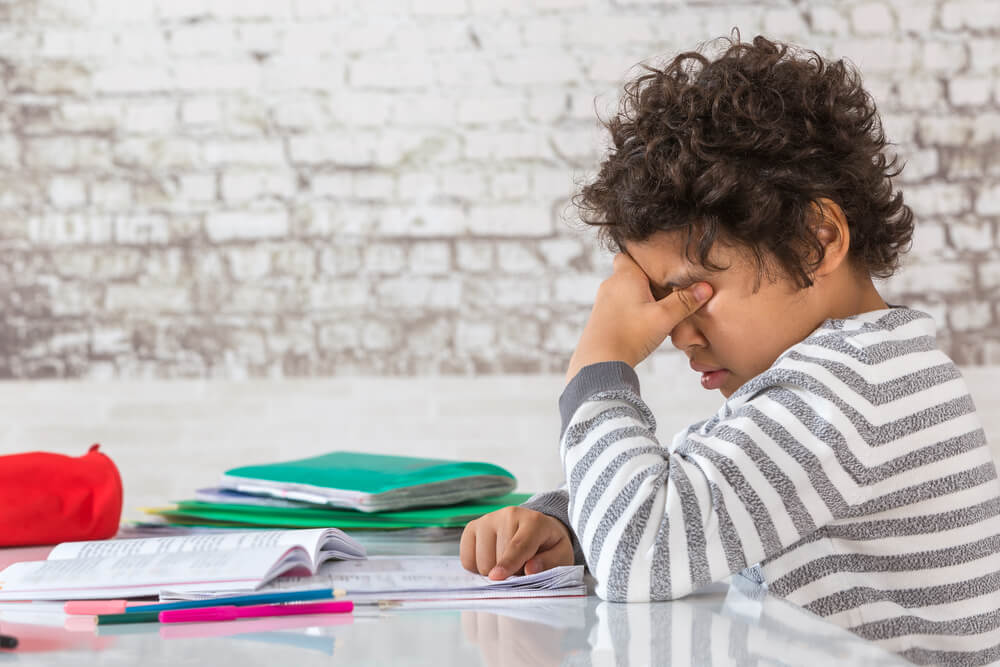
Other parents can’t point to a single dramatic event—only the slow, almost imperceptible shift in how their child thinks, behaves or interacts with the world. A child who once loved homework now struggles to focus. A cheerful, outgoing child becomes anxious or irritable.
Whether it was a major accident or a seemingly minor bump (such as a football collision, bicycle fall or repeated minor knocks), these impacts can alter a developing brain in profound ways. The physical injuries may heal, but changes in behaviour, learning or emotional regulation often linger, leaving parents searching for answers.
At The Brain & Performance Centre, a DP World Company, we understand these challenges. Our science-driven, personalised programmes are designed to help children at every level of injury achieve measurable recovery.
Understanding What Really Happens Inside a Child’s Brain
A child’s brain is still under construction. The prefrontal cortex, the part responsible for skills such as planning and decision-making, is “one of the last parts to mature,” which is when the child reaches their mid-to-late 20s.
This fact makes the child’s brain both remarkably resilient and particularly vulnerable. After an impact, even one that seems minor, several biological shifts can occur in a growing brain.
In other words:
As a child’s brain continues to grow and develop, the effects of a brain injury can change over time. Sometimes, the brain’s ability to adapt and relearn helps a child recover certain skills. But in some cases, the full impact of the injury does not become clear until the child grows older.
While hospitals may focus on structural recovery (what is or isn’t visible on MRI or CT scans), functional recovery is often what matters most: how a child feels, learns, focuses, processes emotions and interacts with their peers.
Even mild impacts may sometimes result in cognitive disruptions, which may present the same symptoms as more severe trauma. Headaches, brain fog, learning difficulties and social withdrawal are all common signs. Identifying these subtleties and connecting them to the head injury, is the first step towards meaningful recovery.
Why So Many Cases Go Unnoticed
A study from 2022 reports that post-concussive syndrome in children after a mild TBI “is prevalent and vastly underdiagnosed”.
Often called the invisible injury, “Acute symptoms usually reflect a functional disturbance rather than structural integrity, meaning that symptoms are there although no abnormalities are seen on standard imaging”.
Parents and teachers sometimes attribute changes to stress, adolescence or temperament. “He’s just moody”, or “She’s always been shy”, are common refrains.
But these emotional and behavioural changes (e.g., depression, anxiety, ADHD, PTSD) may be the only visible signs of a lingering brain injury. Recognising them early is crucial for recovery.
Explore emotional challenges commonly linked with TBI in youth.
When Recovery Plateaus
Some children recover physically from their head injury but reach a plateau in terms of recovering their focus, learning or emotional stability. Others never receive any form of brain injury related treatment because their injury appeared minor at the time or because they were incorrectly diagnosed.
Traditional rehabilitation can improve existing abilities, but it may come short in achieving full neuroplastic recovery—the brain’s way of rewiring and healing itself.
Recent studies are finding new ways to promote the brain’s natural rewiring and recovery.
At The Brain & Performance Centre, our evidence-based programme reflects this “paradigm shift towards personalised, multimodal treatment approaches” for post-concussion syndrome. We focus on measurable neurological recovery while supporting both the child and the family. For parents in the UAE and across the GCC, this approach brings clarity, confidence and hope.
Why Families Choose The Brain & Performance Centre in Dubai
Built on Nobel Prize-winning science, our multidisciplinary team provides programmes with clear, measurable outcomes.
Rather than focusing only on physiological treatments, The Brain & Performance Centre offers a holistic approach, combining hyperbaric oxygen therapy, neuromodulation and biomarker-guided therapies to support your child’s recovery.
Each child’s programme is personalised, private and accessible to families in GCC and beyond.
Here’s how our youth brain clinic operates.
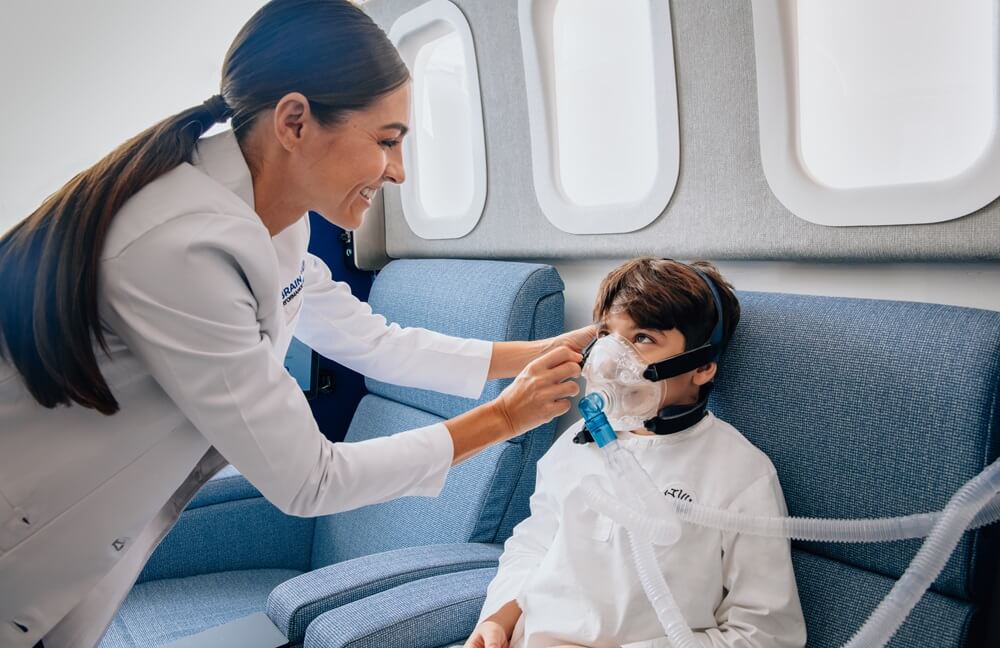
Step 1: Precision Assessment
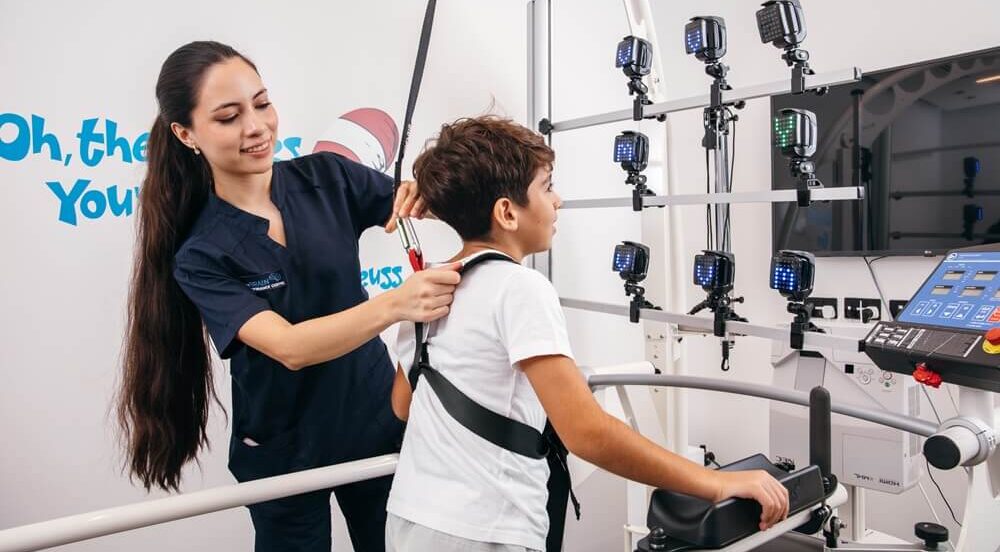
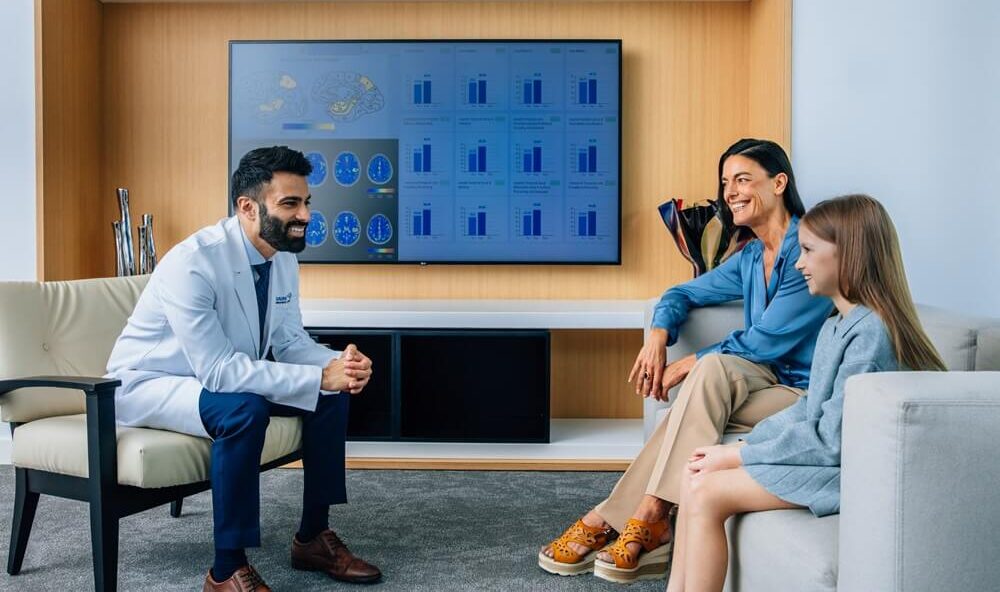
Advanced imaging, cognitive assessments and functional physical testing help identify inefficiencies that are often overlooked by standard exams. This allows us to measure how each child’s brain perfoms—in addition to its appearance.
Step 2: The Hyperbaric Oxygen Therapy (HBOT) Plan
Using a specific hyperbaric oxygen therapy (HBOT) protocol, we elevate oxygen levels in a pressurised environment called: “a hyperbaric chamber”, this special environment enables your child to regenerate damaged tissue, increase blood flow and repair neural networks.
Our protocols are specifically tailored to paediatric patients, with continuous physician oversight.
A recent study in Nature Scientific Reports shows this specific hyperbaric oxygen therapy treatment can improve “both cognitive and behavioral function, PPCS symptoms and quality of life in pediatric PPCS patients at the chronic stage, even years after injury”. This is a groundbreaking revelation for children who continue to experience paediatric concussion effects.
Step 3: Integrated Programme
HBOT is combined with cognitive training, physiotherapy, nutrition support and emotional guidance. This holistic approach ensures every aspect of the child’s recovery—from learning and focus to mood regulation—is addressed.
Step 4: Measuring Change
Progress isn’t a guess. We use precise data points to track improvements in attention, learning, emotional stability and sleep. This allows families to see tangible outcomes—clear indications that instill true hope for a brighter road ahead.
Learn more about our TBI and PCS treatment.
What Progress Looks Like
Recovery can be transformative. Consider this anonymised success stories:
A 15-year-old student athlete struggled with lingering symptoms after a concussion, including balance issues, vision problems and difficulty focusing.
Through a three-month, multidisciplinary programme combining HBOT, cognitive exercises and targeted support from specialists, she regained cognitive function, energy and confidence.
Assessments showed marked improvements in cognitive function, balance, strength, agility, confidence and energy. The teen was able to resume her studies and return to sports, experiencing a renewed sense of normalcy and well-being.
“For the first time, we have demonstrated an effective treatment for pediatric PPCS, whether the injury occurred six months or 10 years ago. This discovery and the launch of our new Youth Medical Programme offer hope to thousands of families watching their children suffer from unrelenting symptoms.” Dr. Shai Efrati, Medical Director of the Sagol Centre for Hyperbaric Medicine and Research and Shamir Medical Centre
Dive deeper into treatment for children and adolescents with TBI and PCS.
Let’s Guide Your Child Towards Recovery and Hope
For some children, recovery had stalled for months or years. For others, subtle injuries went unnoticed, quietly affecting behaviour and learning. At BPC, no injury is “too small” and no child is “too far” from improvement. Our programmes can reignite recovery, reveal hidden challenges and provide measurable, life-changing outcomes.
Parents leave our consultations feeling hopeful and empowered, with a clear understanding of how to support their child’s next steps. They see their child’s potential —and that science, paired with compassionate care, can help unlock it.
Schedule a private consultation to explore a personalised programme for your child.
Frequently Asked Questions
- Can a child’s brain still heal years after a traumatic brain injury?
Yes, research illustrates promise in improving cognitive and behavioural function and overall quality of life in persistent paediatric concussion “even years after injury”.
- What measurable improvements can families expect after advanced TBI treatment?
Improvements often include better focus, sleep, learning performance, emotional regulation and overall quality of life.
- Is it safe for children to undergo hyperbaric oxygen therapy?
Yes, HBOT has been used safely for many years. All HBOT protocols are tailored for paediatric patients and administered by a multidisciplinary team of certified healthcare professionals. Potential side effects are low-risk and relatively rare. For more information, read our FAQs.
- Does the programme help with emotional and behavioural changes after TBI?
Absolutely. Our integrated approach addresses cognitive, physical and emotional health, supporting behavioural regulation and resilience. This is to help your child achieve a higher quality of life.
- Are improvements from your programme long-lasting once treatment ends?
Yes. By promoting neuroplastic recovery, gains are designed to be durable, though continued cognitive and emotional support is encouraged for optimal outcomes.
- How many sessions are typically needed for a child with post-concussion or chronic brain injury symptoms?
This varies by child, injury severity and health background. Our precision assessment helps determine the personalised programme length and intensity.
Brain Health
What Elite Neuroscience Says About The Brains of Billion-Dollar Decision Makers
 by
The Brain & Performance Centre
by
The Brain & Performance Centre
Brain Health
You’re Still Winning, but It Feels Harder: The Subtle Onset of Brain Fog in Professionals
by
Dr Semer Wang
,
Physician
Autism Spectrum Disorder
Child Development Stages: What Every Parent Needs to Know (and When to Ask for Help)
by
Dr Semer Wang
,
Physician
Support your child’s brain health with evidence-based care at The Brain & Performance Centre, Dubai.