Youth Assessment
Get the right diagnosis with our Youth Assessment
Seeing a child suffering from issues related to the normal development process but not knowing why or how to help is devastating and often life-changing for a parent. No father or mother wants to see their child compromised or held back and not living their best life. One of the most challenging problems facing parents is diagnosing and finding the right solutions for their child’s development. Getting the correct diagnosis is essential to be able to treat the condition in the most effective and efficient way.
At The Brain & Performance Centre – A DP World Company our team of experts is here to help, starting that process with our Youth Assessment. The assessment draws on years of evidence-based research by some of the world’s foremost medical professionals and scientists. Our Youth Assessment offers an in-depth cognitive and physical assessment to evaluate the issue and offer further advice for a tailored treatment plan moving forward.
Understanding Your Child’s Development
The first and most important step in helping your child reach their full potential is to understand their developmental history and their current physical and cognitive functioning.
For children who are not developing in a typical pattern, careful observation of key developmental milestones and neurological signs can provide important clues. Parents are often the first to notice these changes.
The questions below are commonly used by clinicians to better understand a child’s developmental trajectory and identify areas that may benefit from further assessment.
1. Early Developmental Milestones – These help determine whether early motor or language development followed a typical timeline.
- Was your child late to start walking?
- Did your child crawl, stand, or walk significantly later than other children of the same age?
- Was there a delay in your child learning to speak or forming sentences?
- Did your child have difficulty with early communication, such as responding to their name or maintaining eye contact?
2. Motor Function and Movement – These questions help identify potential neurological or neuromuscular issues.
- Does your child have an unusual walking pattern (for example toe-walking, stiffness, imbalance, or frequent falls)?
- Does your child appear clumsy or have difficulty with coordination?
- Has your child developed weakness or reduced movement on one side of the body?
- Does your child struggle with fine motor tasks such as writing, buttoning clothes, or using utensils?
3. Learning and Cognitive Development – These observations help assess cognitive performance and school-related functioning.
- Is your child experiencing learning difficulties at school?
- Does your child struggle with attention, memory, or following instructions?
- Does your child find it difficult to keep up academically with classmates?
- Have teachers raised concerns about your child’s learning, behaviour, or concentration?
4. Behaviour and Social Development – Changes in behaviour or social interaction can sometimes signal underlying neurological or developmental conditions.
- Have you noticed significant changes in your child’s behaviour or personality?
- Does your child have difficulty interacting socially with other children?
- Are there concerns related to emotional regulation, impulsivity, or attention?
5. Medical History and Neurological Events – Certain medical events can affect brain development and should always be considered.
- Has your child received a diagnosis of a neurological or developmental condition?
- Has your child ever had a brain infection (such as meningitis or encephalitis)?
- Has your child experienced a concussion or traumatic brain injury?
- Has your child ever had seizures or unexplained episodes of loss of awareness?
- Were there any complications during pregnancy, birth, or the newborn period?
Answering these questions helps our clinicians build a clearer picture of your child’s development.
This information allows the medical team to recommend appropriate evaluations and personalised interventions aimed at improving your child’s cognitive, physical, and overall developmental outcomes.
Book A Private Consultation
Once these and similar questions have been answered, it’s time to take our Youth Assessment for a more precise and in-depth analysis of your child’s current health status. To schedule a call with one of our team members or to book our comprehensive Youth Assessment.
Our Advanced Medical Programme can help your child
Having comprehensively evaluated the health picture of your child, our team will assess suitability to join the BPC programme or suggest alternative treatment options. If found suitable for the programme, the team will tailor a specially-formulated, evidence-based programme designed to deliver the most appropriate treatment for your child’s condition.
Following the assessment, the bespoke treatment programme may include: a unique protocol that combines Hyperbaric Oxygen Therapy (HBOT) with tailored cognitive training, physiotherapy, and nutritional guidance. After completing the programme, your child will perform an additional set of assessments followed by a robust analysis carried out by our highly-trained team of clinicians, who look closely at the results of the treatment and discuss relevant long term care relevant for the child.
Our programme has already helped thousands of people worldwide suffering from a range of cognitive and physical related issues, including those caused by traumatic brain injury.
What does our Youth Assessment include?
We may add relevant tests as are indicated for your individual child, these may include:
- Genetic testing – to rule out certain predispositions or to validate a suspected diagnosis
- Specific blood tests and biological markers – when assessing inflammation, toxins, metabolism and more
- Additional evaluations may be recommended as the assessment progresses. These may include speech and language therapy evaluation, additional imaging studies, EEG testing, or other specialised investigations, depending on the findings during your child’s evaluation.
Our Testimonials and Reviews
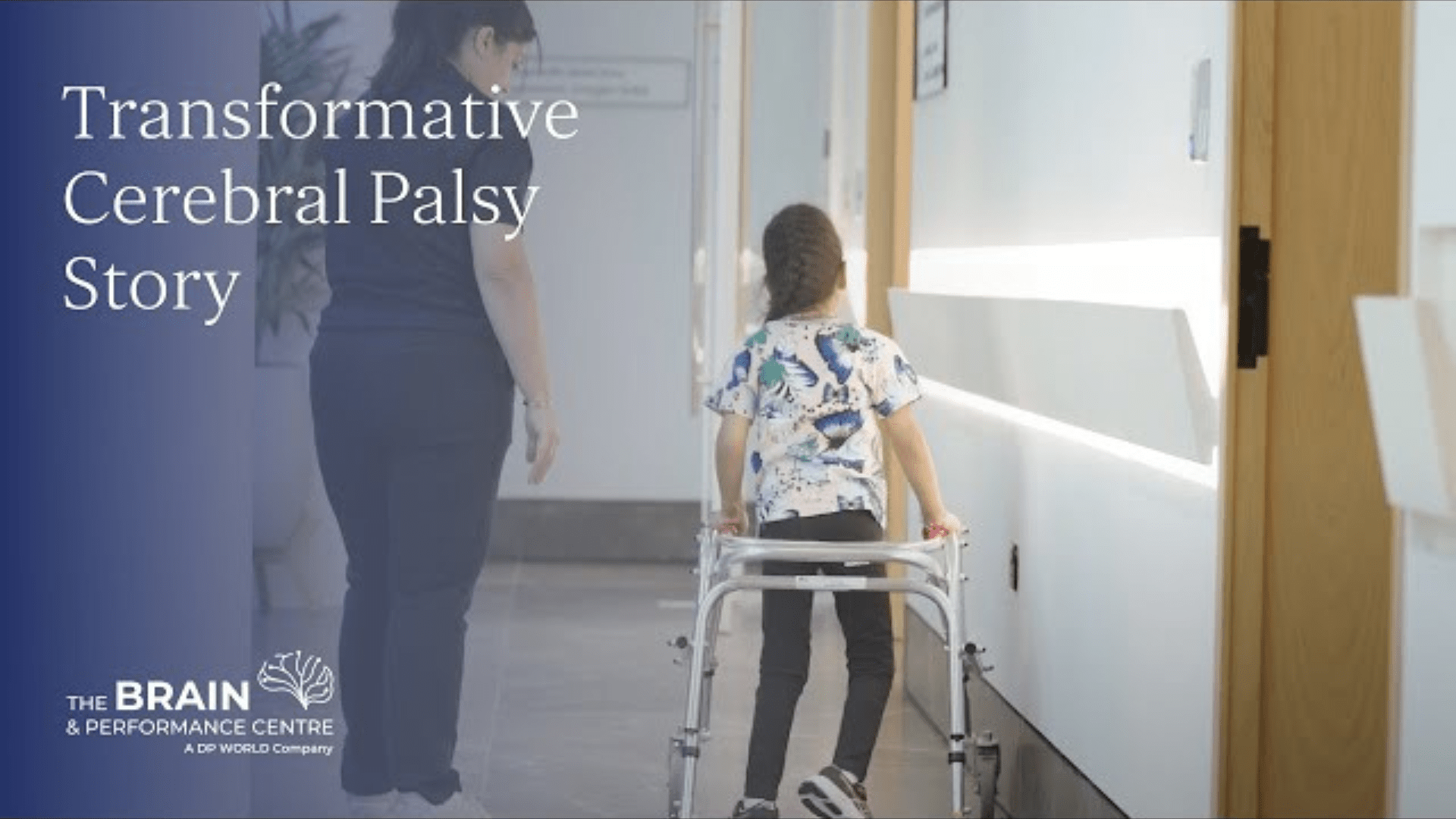
Transformative Cerebral Palsy Programme
Patrick Bol
From Long COVID to Peak Performance
Aysha
Transformative Treatment For Fibromyalgia
Siham Bo Yacoub
Improving Cognitive Decline
Gita Ramakrishnan
Renewed Zest For Life